
Wheelchairs
Five wheelchairs, and who each one is actually for.
Not a catalog. The chairs we would put a parent in, sorted by the decision you are actually making: how heavy it is to lift, how it goes in a car, and whether the person in it is pushing themselves.

Almost every wheelchair buying decision comes down to three questions, and none of them are about the chair. Who is lifting it into the car. Whether the person in it will push themselves or be pushed. And how many hours a day it will actually be used. Answer those three and the field narrows to about two options, which is what this page is for.
Our recommendations
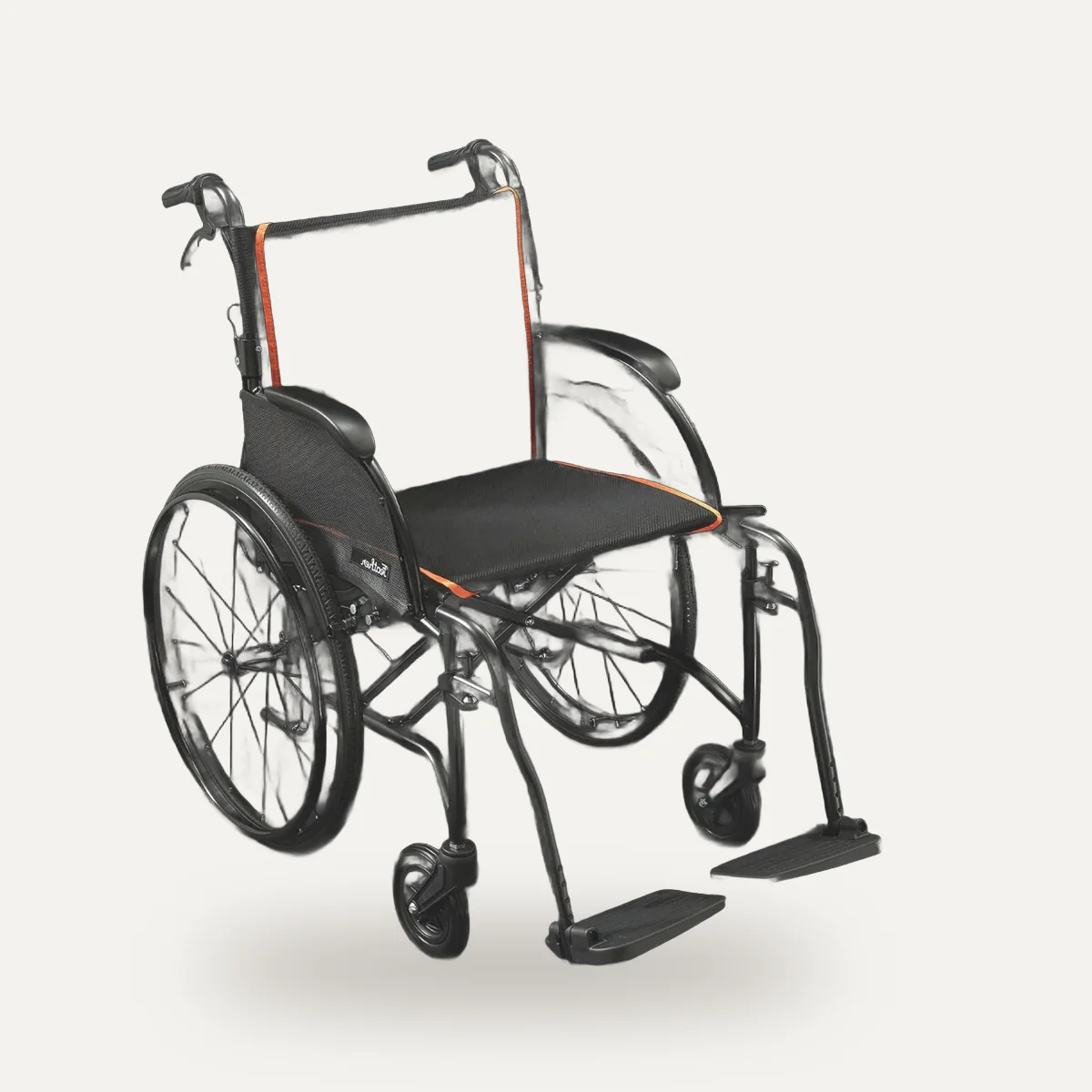 Best for lifting into a car single-handed
Feather Chair
This is the chair to buy when the person doing the lifting is the constraint.
from $1,199
See why →
Best for lifting into a car single-handed
Feather Chair
This is the chair to buy when the person doing the lifting is the constraint.
from $1,199
See why →
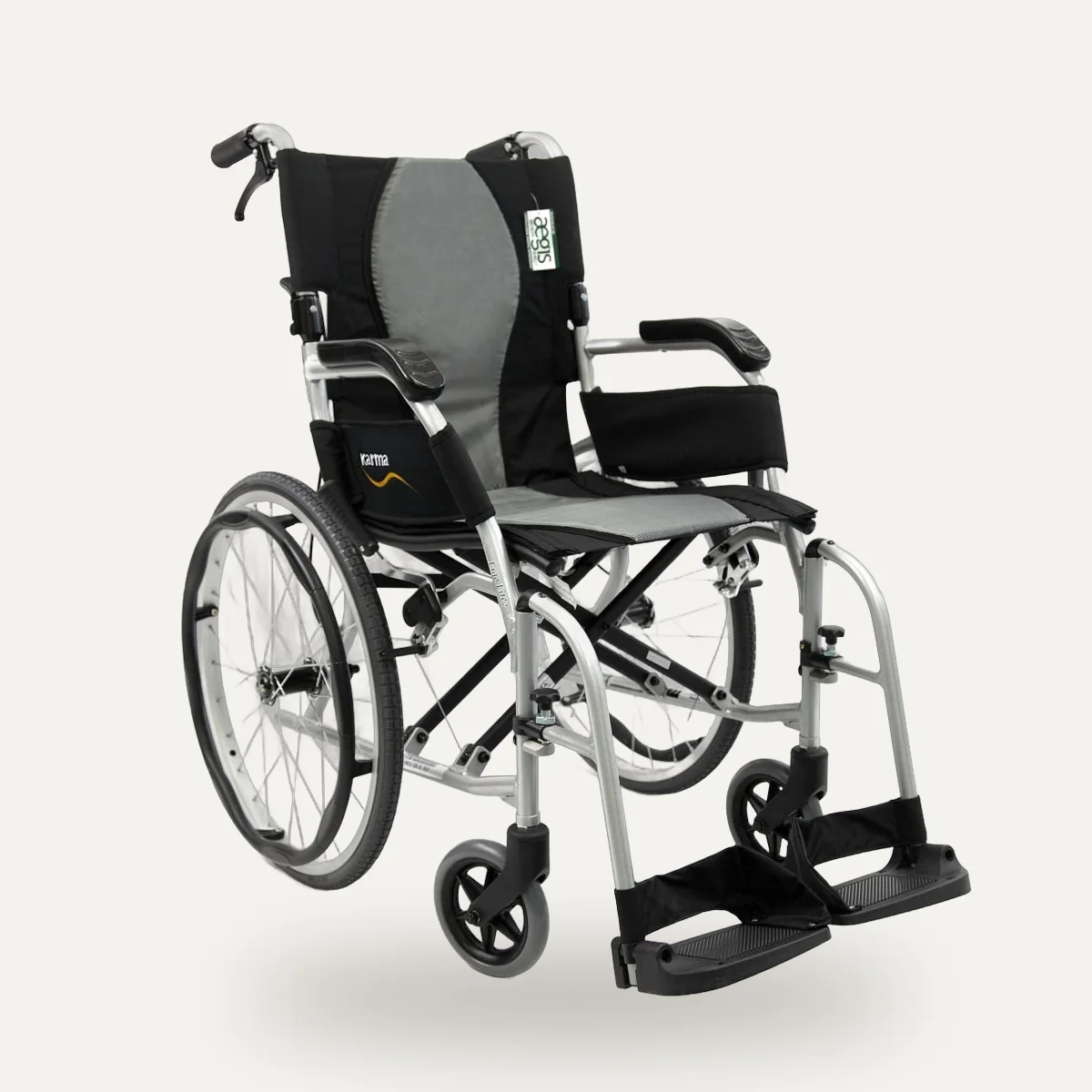 Best for comfort over longer sittings
Karman Ergo Flight (Ergo Lite 2)
The S-shaped seat frame is the reason to buy this one.
from $899
See why →
Best for comfort over longer sittings
Karman Ergo Flight (Ergo Lite 2)
The S-shaped seat frame is the reason to buy this one.
from $899
See why →
In review
3 more we are working through.
These are real needs we intend to cover. We have not put a name against them yet because we have not finished checking, and a recommendation we have not verified is worth nothing to you.
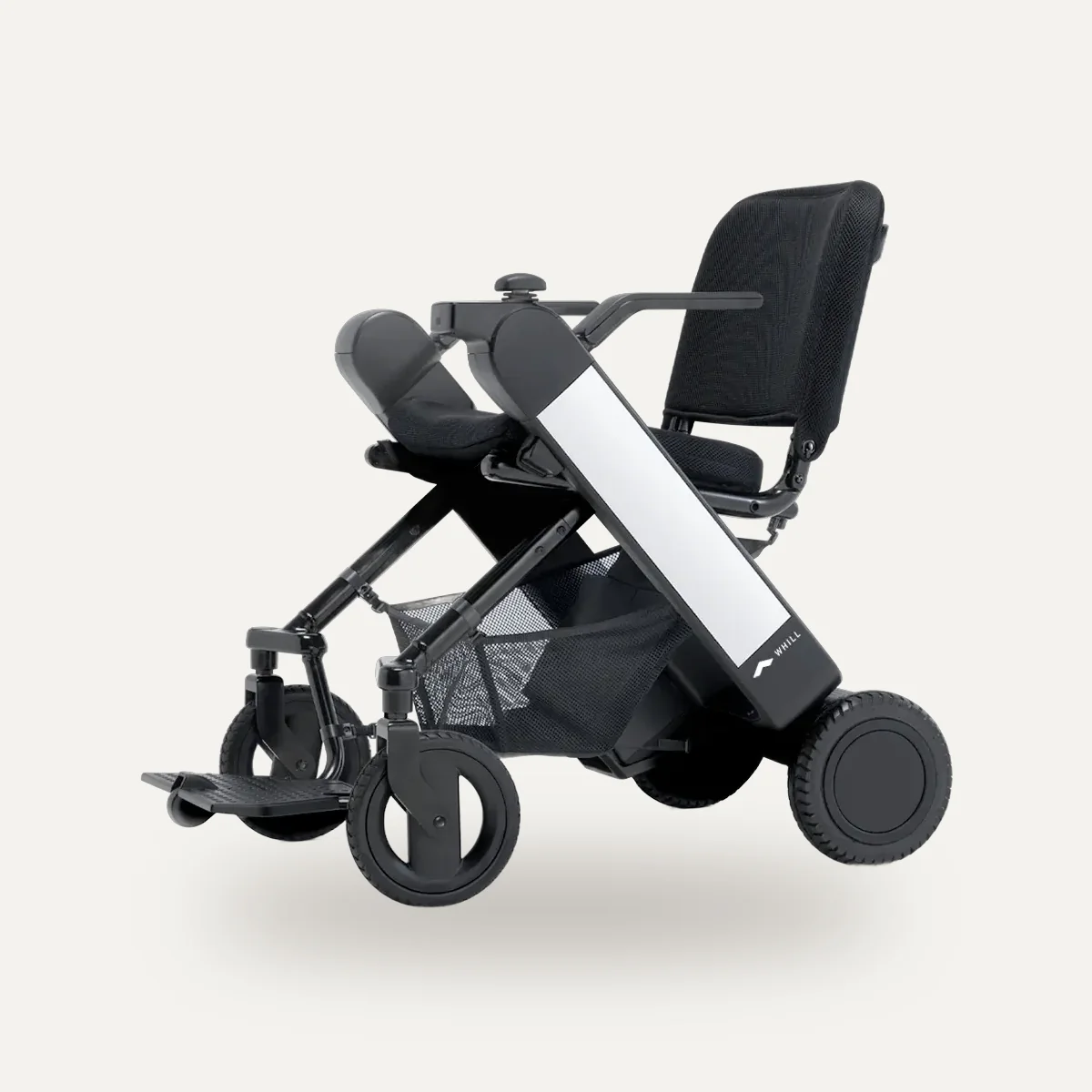 Reviewing
Folding power chair
A power chair restores range to someone who cannot self-propel and does not want to be pushed, and that is a large amount of independence for the money.
In review
What we are checking →
Reviewing
Folding power chair
A power chair restores range to someone who cannot self-propel and does not want to be pushed, and that is a large amount of independence for the money.
In review
What we are checking →
How to choose
The three things that decide it.
Weight is the specification that decides everything
A chair that a caregiver cannot lift into a trunk will not be used, and an unused chair is a total loss. Under 20 lb is liftable by most people. Over 30 lb needs a plan.
Transport chair or self-propel
Small rear wheels mean somebody else pushes. Large rear wheels mean the user can move independently. This is not a minor feature, it is two different products, and getting it wrong is the most common expensive mistake in this category.
Seat width is measured on the person, not the chair
Measure the widest point while seated, add roughly an inch. Too wide is as bad as too narrow: it costs posture, and it stops the chair fitting through a standard interior door.