
When someone refuses to use a walker
Refusal is usually a reasonable objection to a real cost. What the objection actually is, and what changes it.
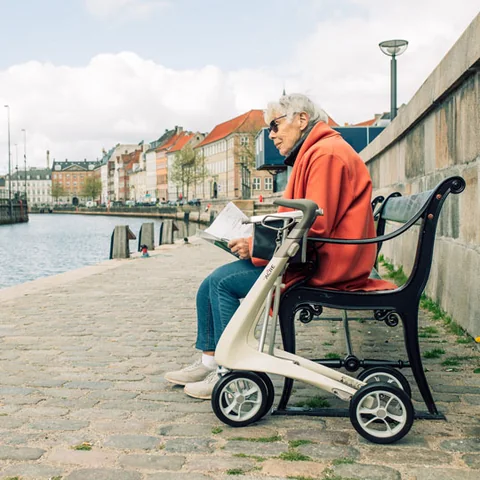
A large share of mobility equipment is bought, used twice and stored. Families read that as stubbornness. It is almost never stubbornness, and treating it as such is what makes it permanent.
What is actually being refused
Not the object. What the object announces. Walking into a room with a frame changes how everybody in that room speaks to you, and the person refusing has usually watched it happen to somebody else. That is not vanity, it is an accurate prediction about how they will be treated.
Three other objections sit underneath, and each has a different answer:
- "I do not need it yet." Often a bargain with themselves: accepting it makes the decline real. The counter is not evidence of decline, which attacks the thing they are defending. It is framing the equipment as what keeps the week intact.
- "It is more trouble than it is worth." Frequently true. If it does not fit through the internal doors, will not go in the car, is too heavy to lift or has no seat, they are right and the equipment was wrong.
- "It makes me look old." Also often true. Most mobility equipment is designed as medical supply and looks like it. This one is answerable by buying something that does not look like hospital issue, and the difference in use rates is not small.
What changes it
Give it a job that is not "you are declining." A rollator for the market, for the airport, for the long museum, for the garden. Specific, occasional, tied to something they want to do. Use in one context usually spreads on its own.
Let them choose it. Equipment that arrives as a decision made about somebody tends to be refused on principle, and the principle is a fair one.
Fix the practical objection first. Measure the narrowest doorway and the boot before buying anything. An excellent rollator that does not fit the hallway proves their point for them.
Stop selling it. Pressure converts a practical question into a matter of autonomy, and once it is about autonomy the person will hold the position past the point where they still believe it.
When refusal should be accepted
Somebody with capacity is allowed to accept risk. An adult who understands the position and chooses to keep walking unaided is making a decision that is theirs, and the honest role of a family is to reduce the consequences: the grab rail, the lighting, the loose rug, the phone in the pocket. Those are worth more than a walker in the hall that nobody touches.
The exception is a genuine loss of insight, where the person is not weighing the risk because they cannot perceive it. That is a clinical question, not a purchasing one, and it belongs with their GP rather than with us.
General information, not medical advice. If fit, posture, pressure relief or fall risk is part of your decision, speak to an occupational therapist.