Buying guide
Buying mobility equipment for a parent
The purchase is the easy part. What to measure, what to ask, and how to hand the decision back.

Most people reading this are not the person who will use the equipment. You are a son or a daughter, you have noticed something, and you are quietly doing the research.
The mistake almost everyone makes
Buying it, having it delivered, and presenting it. It comes from love and it arrives as a verdict: I have decided you cannot manage. The equipment then sits unused, because using it means agreeing.
The purchase was never the hard part. The handover is.
Measure these five things first
- Narrowest interior doorway. Frame to frame, not the opening.
- Boot opening and depth of the car it will travel in.
- Seat width needed: widest point while seated, plus about an inch.
- Handle height: standing in normal shoes, arms relaxed, measure to the wrist crease.
- Steps between the door and the sidewalk.
What actually gets it used
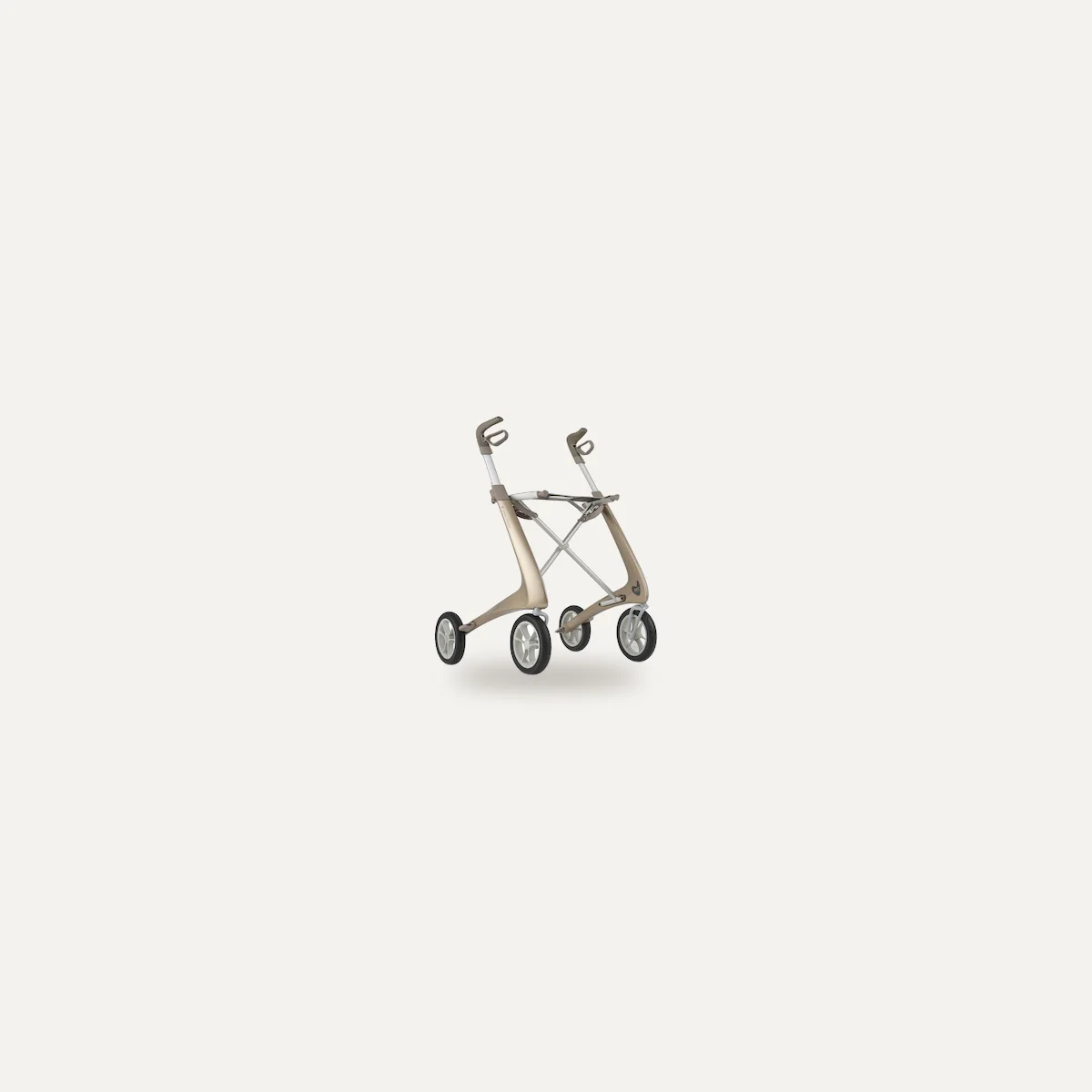
- It has to look like something they would own. This matters far more than families expect. A lot of refusal is not about capability, it is about not wanting to be seen with hospital equipment. It is a completely reasonable objection and the modern frames answer it.
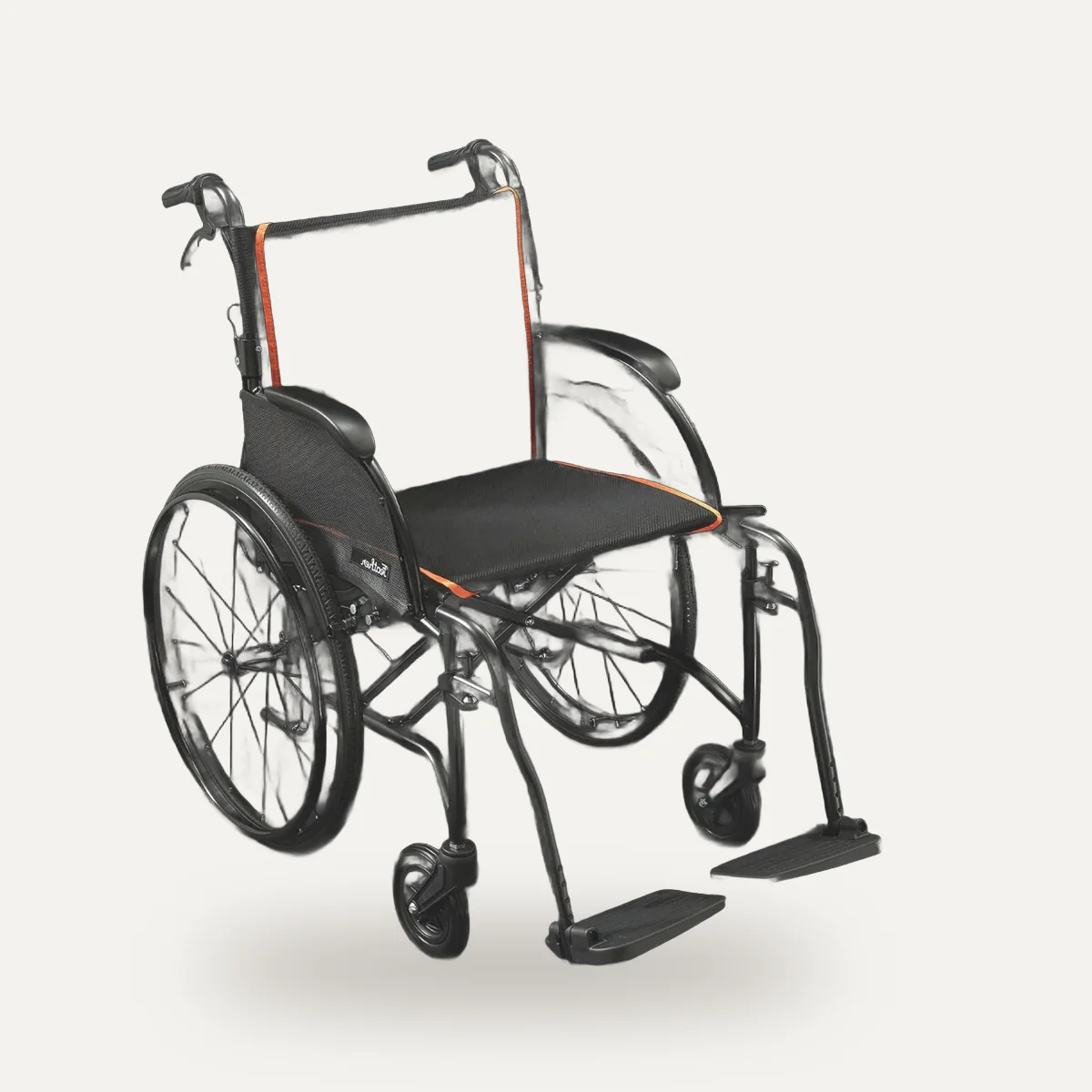
- It has to be light enough for them, not for you.
- Bring one option, not six. A comparison table is a research project handed over. One suggestion is a conversation.
- Let them keep the money decision where you can. Paying for it can be generous and can also remove the last piece of control.
When to stop shopping and call someone
If the real worry is falls, sudden weakness, confusion or weight loss, that is a doctor's appointment rather than a purchase, and buying equipment can quietly delay one by making it feel like something has been done. Buy the rollator if it helps. Book the appointment as well.
General information, not medical advice. If fit, posture, pressure relief or fall risk is part of your decision, speak to an occupational therapist.