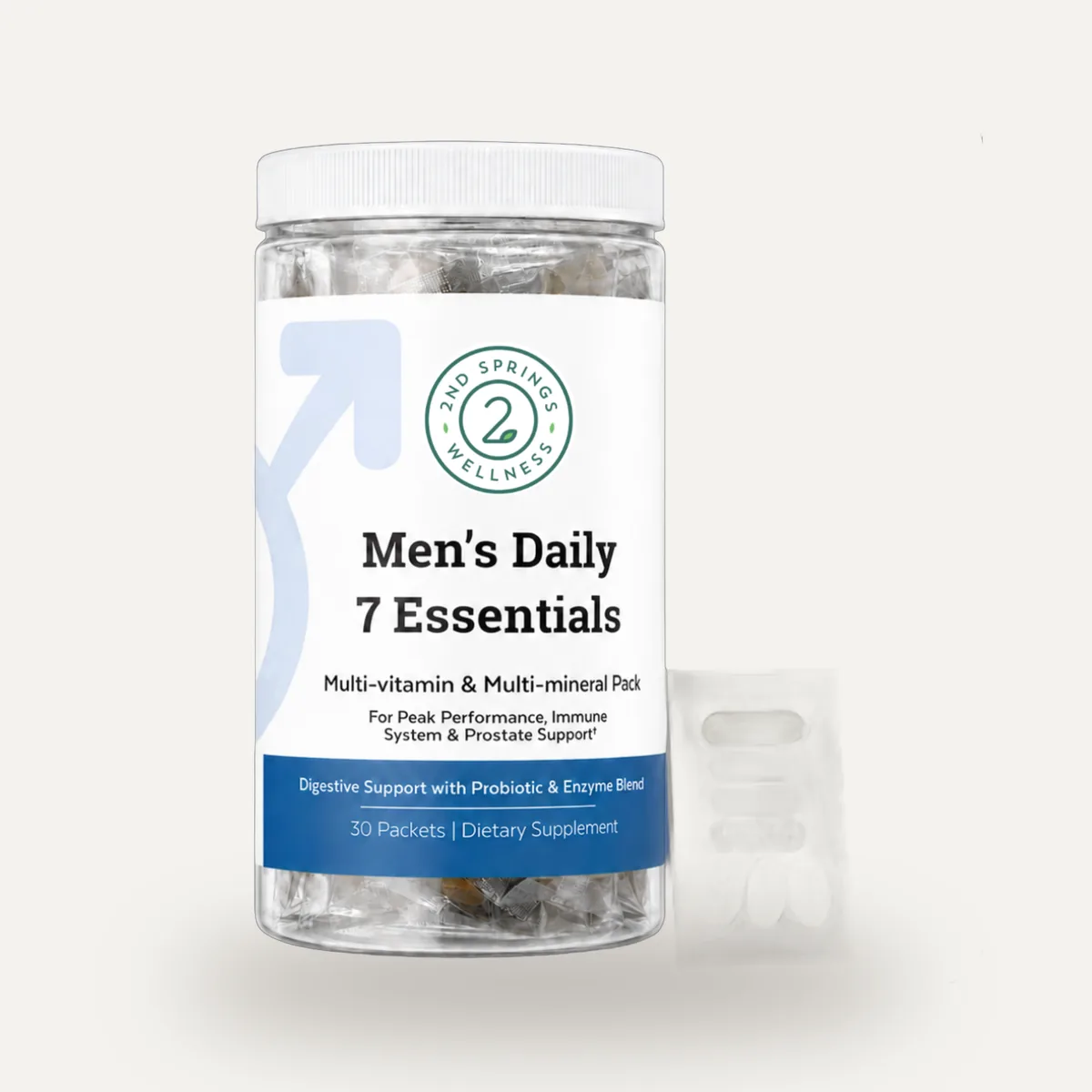
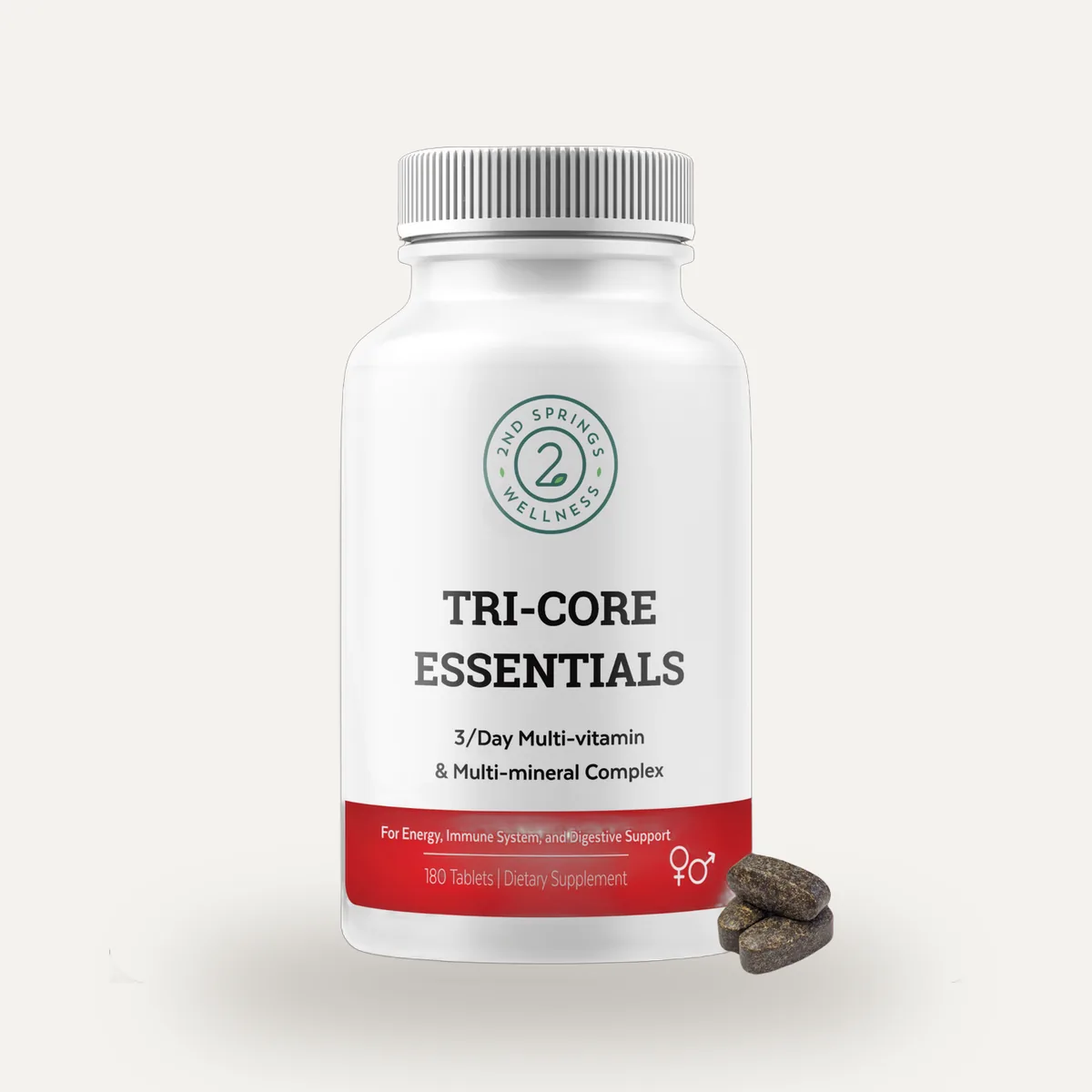
Guide
When to take each supplement, and why the timing changes the answer
Morning, with food, or at night. The rules that matter, the ones that do not, and the two combinations worth separating.

Most timing advice is invented. A few pieces of it are real, and the difference matters because following the invented rules makes a routine harder to keep, which is the thing most likely to make it fail.
The rules that are real
Fat-soluble vitamins go with food that contains fat. Vitamins A, D, E and K absorb substantially better alongside a meal with some fat in it than with black coffee. This is the single timing rule most worth following, and it is why almost every daily pack says "with a meal" on it.
Omega-3s go with food too, for the same reason, with the side benefit that it markedly reduces the fishy aftertaste people complain about.
Iron and calcium compete. If you take both, separate them by a couple of hours. Most multivitamins already handle this by not putting a meaningful dose of both in the same tablet.
Stimulants late in the day cost you sleep. Obvious, and worth restating because "energy support" products are not always honest about containing caffeine. Nothing in the Silvera range does.
The rules that are mostly folklore
"Take B vitamins in the morning or you will not sleep." This is repeated everywhere and the evidence is thin. Some people report vivid dreams on B6 at night. If that is you, move it. If it is not, do not reorganize your day around it.
"Probiotics must be taken on an empty stomach." Manufacturers disagree with each other on this because the answer depends on the strain and the coating. Follow the label on the product you actually bought.
"Never take a multivitamin at night." No. Take it when you will remember.
The only rule that matters more than the others
Take it at the point in your day that already exists. Not a new habit at 7am, but attached to a habit you have had for ten years: the first coffee, the walk to the car, sitting down to lunch. A supplement taken imperfectly at a reliable moment beats a perfectly timed one you take four days a week.
This is also the honest argument for a pre-portioned daily pack over a shelf of bottles, and the honest argument against it: if the shelf was never your problem, the pack is solving something you did not have.
This is general information, not medical advice, and it cannot account for your situation. These statements have not been evaluated by the Food and Drug Administration. This product is not intended to diagnose, treat, cure, or prevent any disease.